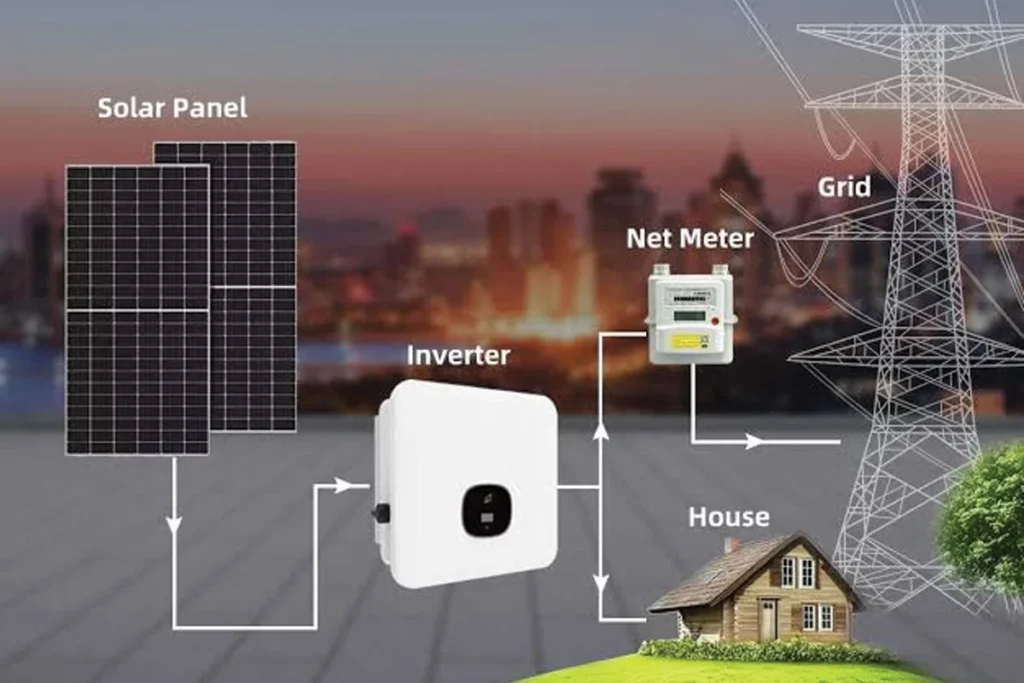

If you’ve been researching solar lately, you’ve probably heard that net metering is gone. The reality is more nuanced, and solar still makes strong financial sense.
What net metering used to do
Under net metering, every unit you exported to the grid was credited against a unit you imported. Your meter effectively ran backwards, and you paid only for your net usage at the end of the month.
What net billing does differently
Under net billing, exported and imported units are no longer treated as equal. You buy grid electricity at the full tariff, while the grid buys your exported solar power at a much lower fixed buyback rate. Most reports put that rate at roughly Rs 10–11 per unit for new applicants, though you should always confirm the current figure with your DISCO before signing.
Who is affected?
Prosumers whose net metering agreement was signed before February 9, 2026 keep their old terms until the contract expires. If you’re applying now, or adding capacity to an existing system, the new rules apply to you.
What this means for your system
The value of a solar unit is now highest when you use it yourself. That changes how a system should be designed:
- Size your system to match your own daytime consumption, not to export as much as possible
- Shift heavy appliances such as washing machines, irons and water pumps to daylight hours
- Consider battery storage to use your solar power after sunset instead of exporting it cheaply
The bottom line
Net billing didn’t end the case for solar. It changed the winning strategy from “export as much as possible” to “use as much as you generate.”
Not sure what size fits your usage? Try our Solar Load Calculator or contact Sun Energy for a free site survey.